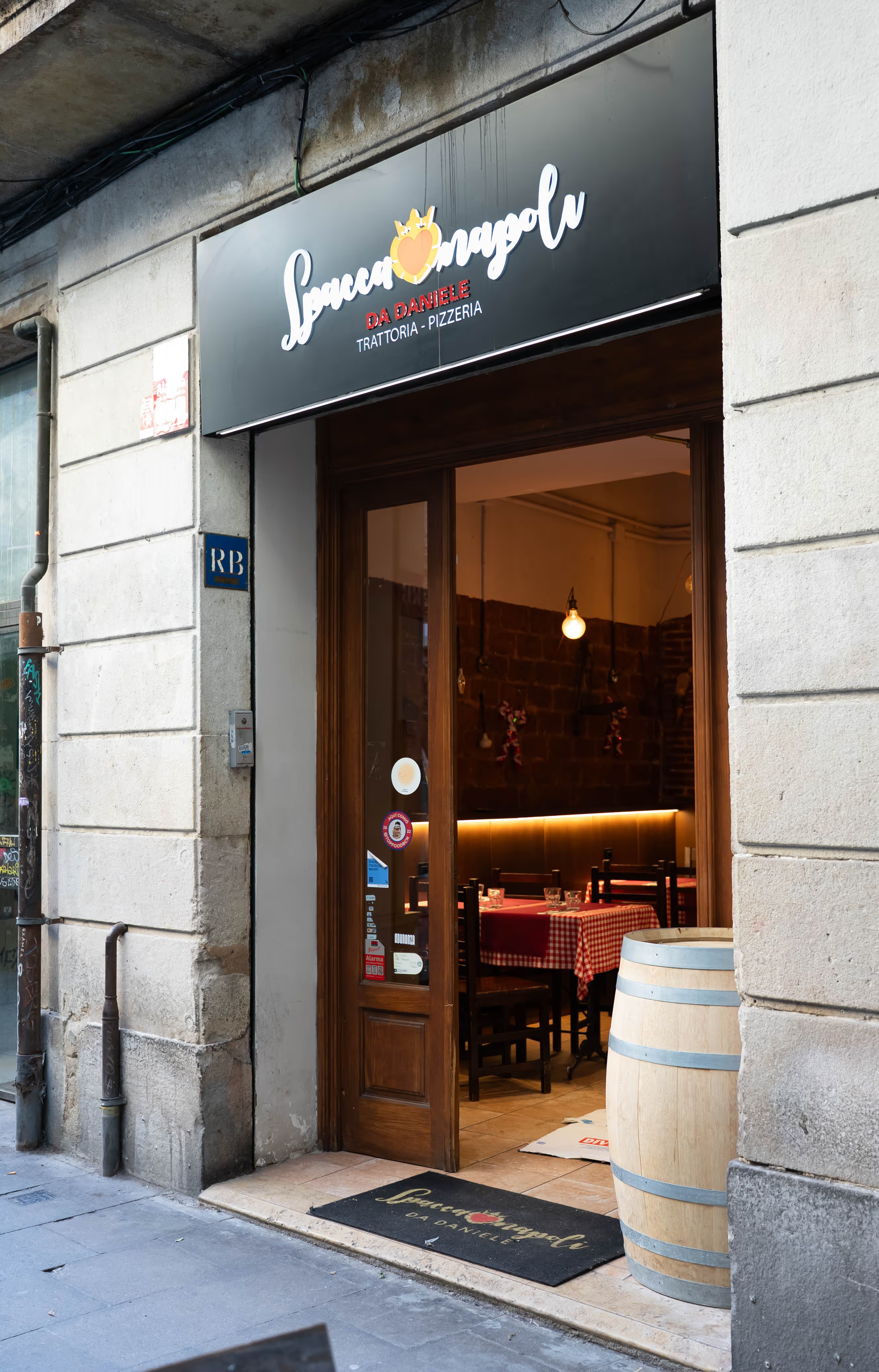
Searching for a great Italian restaurant in Barcelona can feel like a minefield. The city is packed with places flying the Italian flag — red-and-white checkered tablecloths, a map of the boot on the wall, and a menu that somehow includes pad thai. If you’ve been burned before, this guide is for you. We’re skipping the tourist traps and going straight to the answer: Spaccanapoli.
One restaurant, one obsession. Here’s everything you need to know before you book.
What makes a real Italian restaurant — and why most fail the test
The word “Italian” on a restaurant sign tells you almost nothing. What actually matters is where the ingredients come from, how the dough is made, and whether anyone in the kitchen has actually been to Italy.
At Spaccanapoli, the story starts with the founder, Daniele Armante, a Neapolitan who moved to Barcelona and — like every Italian abroad — couldn’t find food that tasted like home. His solution: build a restaurant where nothing is faked.
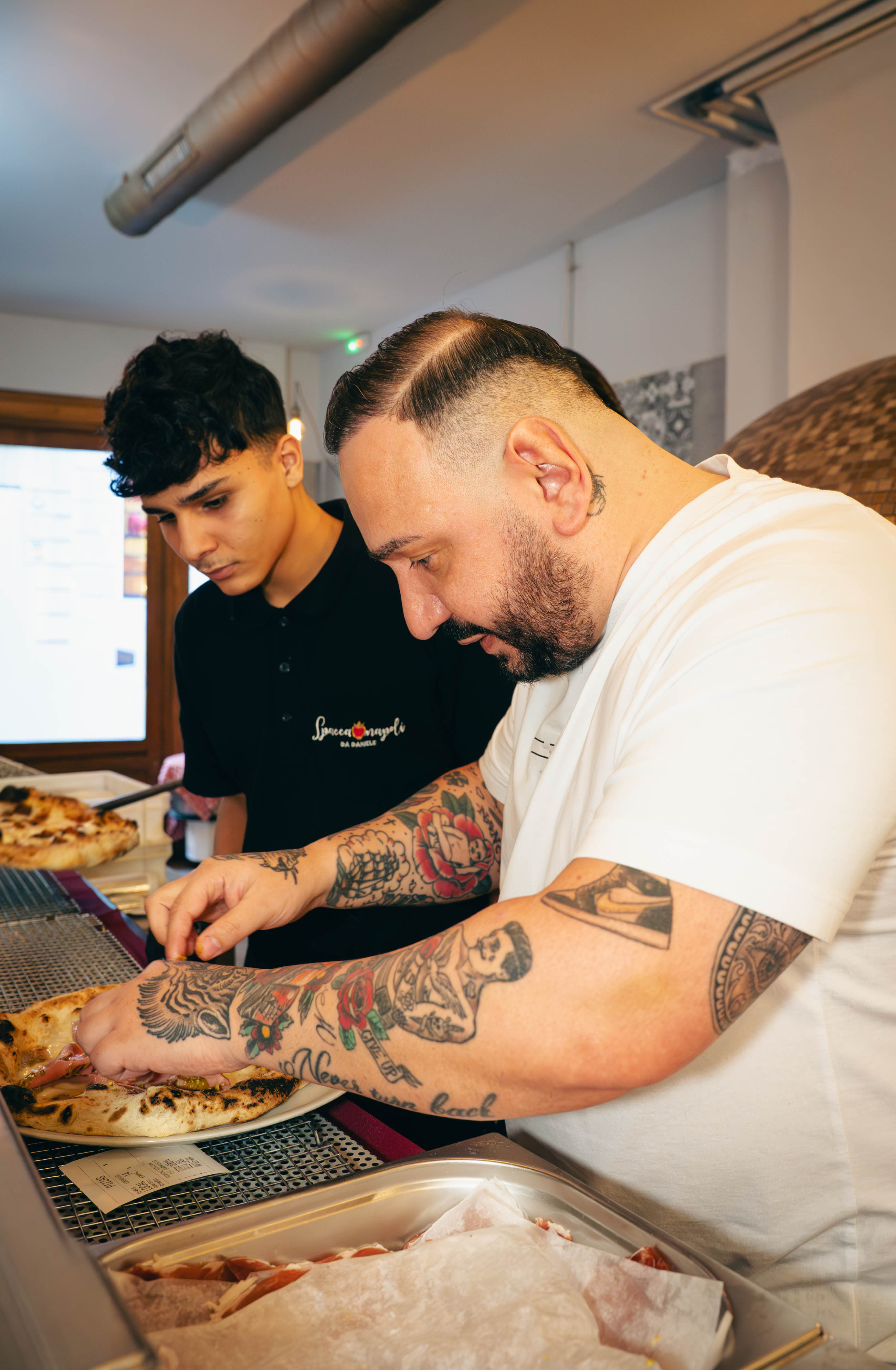
The tomatoes are San Marzano DOP, grown in the volcanic soil of Mount Vesuvius. The mozzarella is fior di latte from Campania. The cured meats come straight from Naples. The pizza dough ferments for 24 to 48 hours. The wood-fired oven is built with Vesuvian volcanic stone — the same stone that fertilises the tomatoes. There’s a certain poetry in that, if you’re into it.
This isn’t marketing copy. It’s the actual supply chain, and you can taste the difference the moment the pizza hits the table.
Neapolitan pizza in Barcelona: the real thing
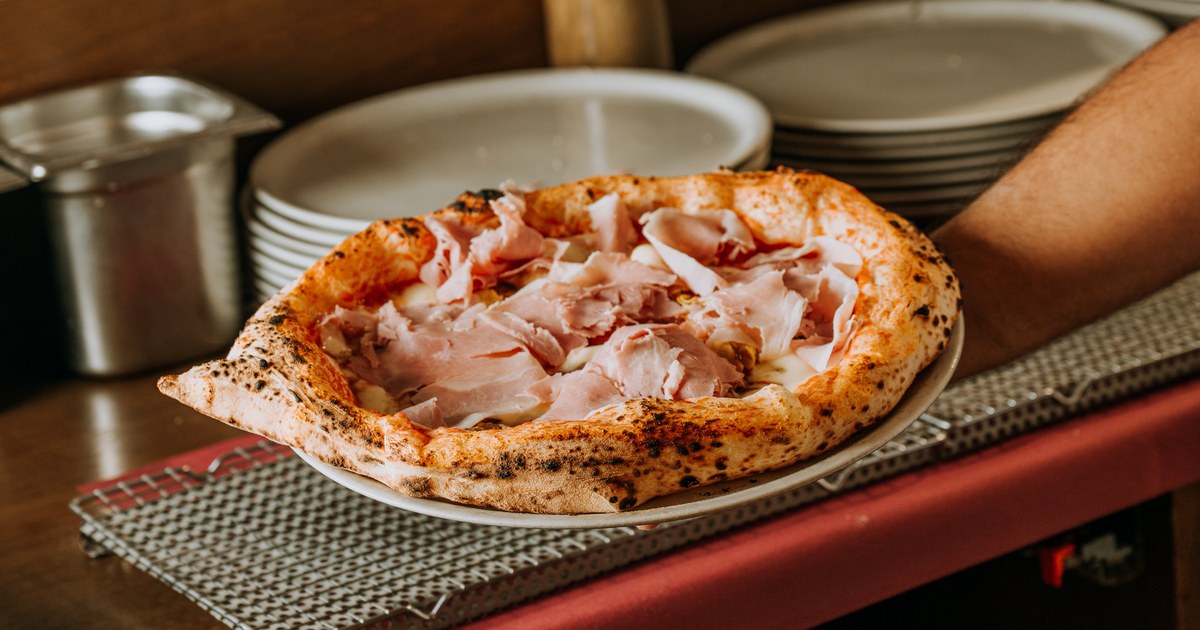
If you’ve eaten pizza in Naples — not in the tourist-facing restaurants near the port, but in an actual neighbourhood spot — you know the gap between that and what most of the world calls “Italian pizza.” The cornicione (the crust) is puffed and soft, almost bread-like. The base is thin, slightly moist in the centre, never cardboard-crispy. The tomato tastes like summer, not like a can.
Spaccanapoli produces that pizza in Barcelona. The dough is hand-worked, cold-fermented, and cooked in roughly 60 to 90 seconds at over 400ºC. The result is what it should be.
Start with the Margherita — it’s the honest benchmark for any Neapolitan pizzeria. San Marzano tomato, fior di latte, fresh basil. If that’s good (and it is), everything else will be too. The Diavola with spicy salami is a crowd-pleaser. The Marinara — no cheese, just tomato, garlic, oregano and olive oil — is for purists who want to understand why simplicity is the point.
If pizza isn’t your priority, the pasta is equally serious. Fresh-made, cooked properly, sauced with the same imported ingredients. The Paccheri allo scoglio (wide pasta tubes with seafood) is one of those dishes that makes people stop mid-conversation.
Beyond pizza: why the full menu deserves attention
It would be easy to summarise Spaccanapoli as “a great pizza place” and move on. That would be accurate but incomplete. Neapolitan cuisine has a lot more going on than pizza — and this restaurant proves it.
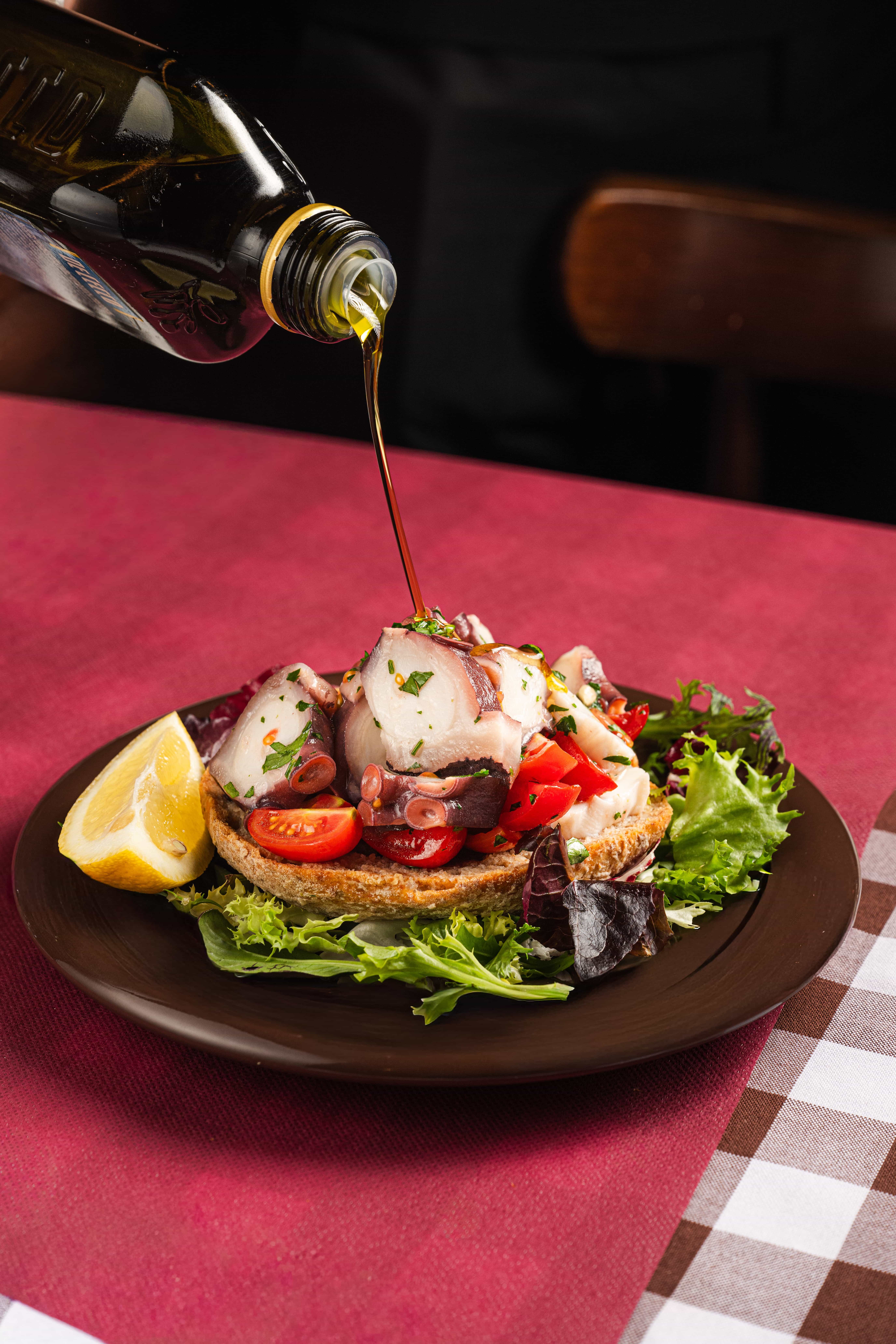
The antipasti section is worth your time. The frittura mista includes a montanara — a small fried pizza dough topped with tomato and cheese that predates the oven-baked pizza and remains one of the best things you can eat standing up in Naples. The ricotta croquettes are straightforward and excellent.
On the pasta side: the Spaghetti alle Vongole is deceptively simple and tells you everything about the kitchen’s confidence with seafood and restraint. No cream, no shortcuts, just clams, white wine, garlic and good olive oil. The Paccheri allo Scoglio — thick tube pasta with mixed seafood — is the more indulgent version, and deeply satisfying.
For dessert, the babà al rum is a Neapolitan classic: a light yeast cake soaked in rum syrup, served with cream. It’s the kind of dish that people from Naples will tell you can only be made properly in Naples. Spaccanapoli makes a very convincing argument to the contrary.
Why the menu is short (and why that’s the point)
A long menu is the single most reliable warning sign in any Italian restaurant, anywhere. Forty pizzas and twenty-five pastas means a freezer, not a kitchen. Nobody cooks sixty-five dishes well.
Spaccanapoli keeps the list tight: a run of pizzas, a handful of pastas, fried antipasti, a couple of desserts. Everything on it is Neapolitan, and everything on it is there for a reason. If you came looking for carbonara with cream or a barbecue chicken pizza, this will disappoint you. That’s intentional.
Where to find it: El Born, Barcelona
Spaccanapoli — Carrer del Rec Comtal, 6 (08003). It sits in the heart of El Born, one of Barcelona’s most atmospheric neighbourhoods, close to the Picasso Museum and Ciutadella Park. The space is small, loud in the best way, and smells like a wood-fired oven. Very much the experience you’re looking for.
Phone: +34 932 68 99 38
Open Monday to Sunday, 1pm to 11:30pm.
Getting there is easy. The nearest metro stop is Jaume I (L4), a few minutes’ walk away. From Plaça Catalunya it’s roughly a 12 to 15 minute walk down Via Laietana and across into Sant Pere — flat, straightforward, and a good deal more interesting than the metro. If you’re already in the Gòtic or near Santa Maria del Mar, you’re practically next door.
Booking and timing
Reserve ahead on weekends — it fills fast, and the dining room isn’t large. Thursday through Sunday evenings are the busiest stretch. Weekday lunches are generally more relaxed and a good option if you’d rather not plan.
If you turn up without a booking, the edges of service are your best bet: early rather than at peak. Arriving at 9pm on a Saturday and hoping for a table is optimistic.
The best Italian restaurant in Barcelona for tourists: the verdict
Barcelona has hundreds of restaurants claiming to be Italian. Most are fine, some are good, and a handful are genuinely excellent. Spaccanapoli sits firmly in that last category — and has, without changing the formula.
If you’re visiting Barcelona and want one meal that’s authentically Neapolitan — not Italianish, not Mediterranean, not vaguely European — this is the answer. The ingredients come from Naples. The technique comes from Naples. The standard doesn’t slip.
For the best Italian restaurant in Barcelona, you’ve found it. Book your table at spaccanapolibcn.es or call the restaurant directly.

.jpg)